Hundreds of fancy trading methods.
Thousands of indicators full of promises.
But how do you know which ones are real and which are just hype —
which actually make money, and which only lead to losses?
Step into Positivism in Trading —
a mindset that keeps your head clear and critical amid a jungle of fake information.
It’s better to lose money to the market and learn a real lesson than to learn useless lessons and still lose money.
1. What Is Positivism?

👉 In short: every conclusion or statement must be backed by objective data, statistics, and measurable probabilities.
2. Examples of Positivism in Trading


🔑 What’s the Difference?
-
⏳ Context
→ Timeframe, trading pair, and market conditions. -
📚 Sample Size
→ Number of occurrences and years of data analyzed. -
📈 Quantitative Results
→ Probability, percentage rate, and empirical performance.
👉 And it’s these factors that allow you to make decisions based on probability — instead of believing a statement that merely “sounds right” but lacks evidence.
3. Applying Positivism in Trading
To apply positivism, you need to build a multi-layered verification system — not just stop at win rate or profit.
4. The Process of Verifying a Trading Hypothesis (12 Steps)
🚀 Roadmap for Developing & Verifying a Trading System (Basic)
-
📝 Define the Method
(Entry – SL – TP – clearly defined exit conditions). -
🔍 Find a Similar Indicator
to save development time. -
💻 Prototype on TradingView (Pine Script)
-
🖐️ Manual Backtest
with 100+ trades. -
📊 Optimize on TradingView
(using the built-in backtester). -
⚙️ Code Properly on Metatrader (MT4/MT5)
-
🧮 Optimize on Metatrader
(Genetic Algorithm, brute force). -
🔄 Walk-Forward Test
(optimize in period A → test in period B). -
🌐 Out-of-Sample Test
(validate on different pairs). -
🧪 Forward Test (Demo)
run for 1–3 months. -
💵 Live Test (Small Account)
to measure real slippage and spread. -
📅 Periodic Review & Updates
(every 3–6 months).
5. Why Build the Code2Trade Ecosystem
1 – A library of indicator and bot codes for traders to independently verify and test.
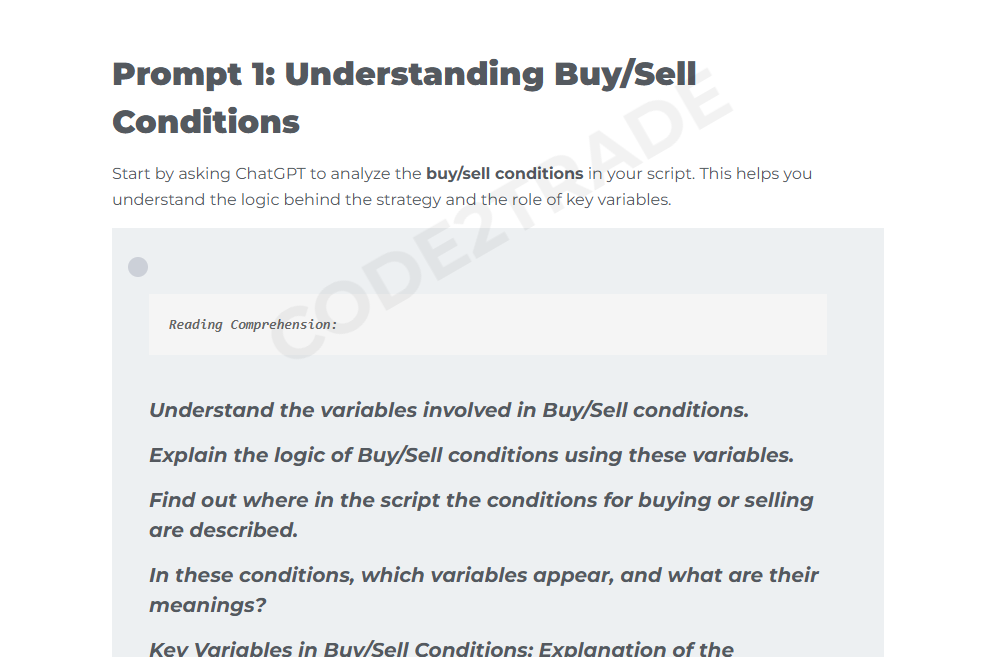
2 – Tutorials on how to use existing code together with AI prompts for self-verification.
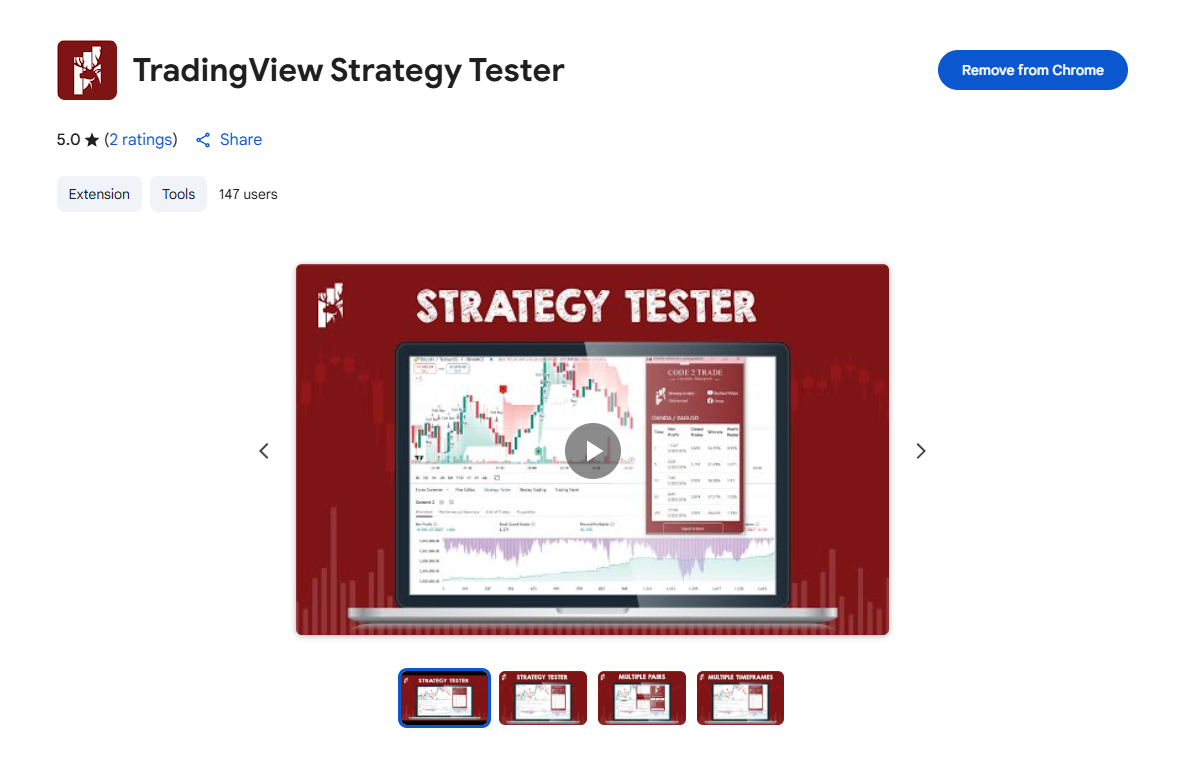
3 – Use the Chrome extension to perform multi-pair and multi-timeframe testing.
4 – Self-learning materials on coding, coding mindset, and verification via Zero2Hero