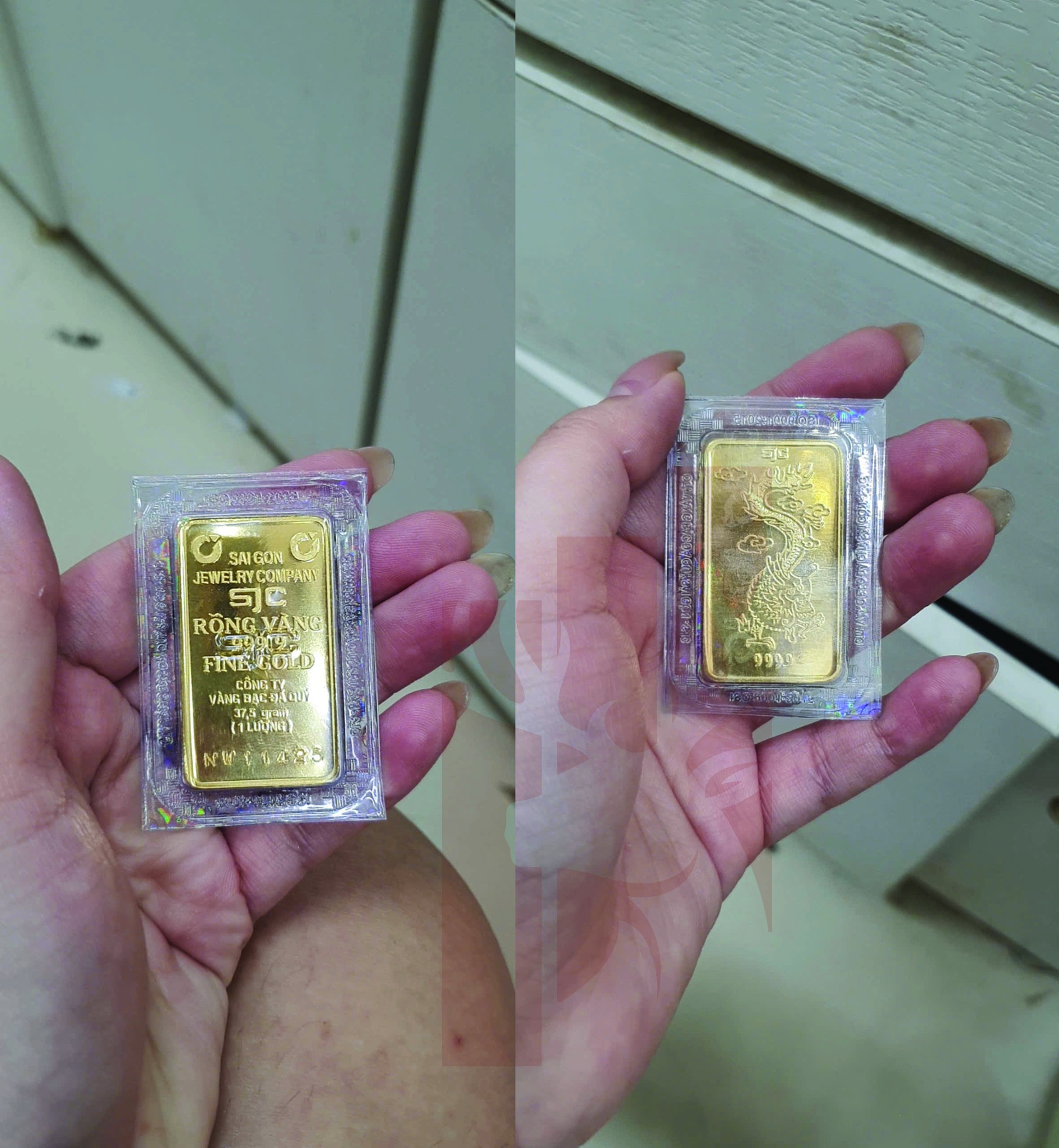

This will be my answer to the questions people often ask:
“So, has Code2Trade actually made any profit?”
or “If it’s really that good, why not share the best trades with your family instead of strangers?”The truth is — I’ve done both.
And in this video, I’ll share 3 key lessons from 330 days of live gold spot trading with my family —
including one lesson I learned from Warren Buffett himself.1. The First Lesson: The Right Choice Matters More Than Effort.
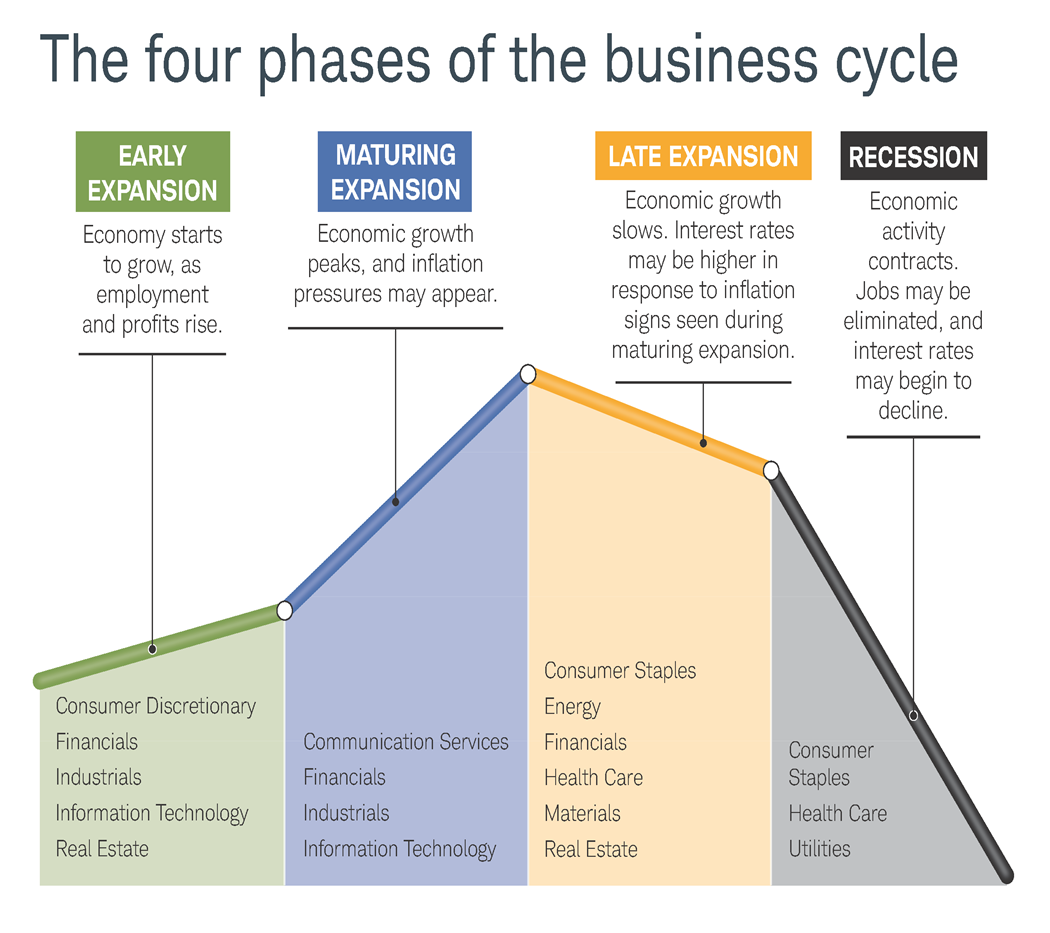
Choosing the right phase of the economic cycle — whether it’s recession, crisis, recovery, or expansion — determines when to invest and when to accumulate.
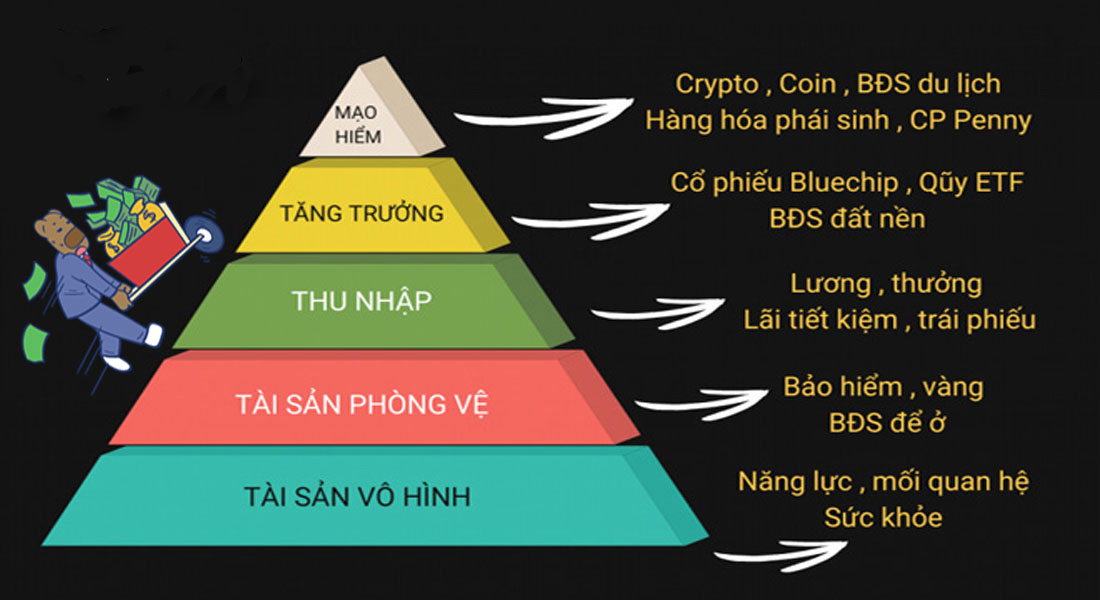
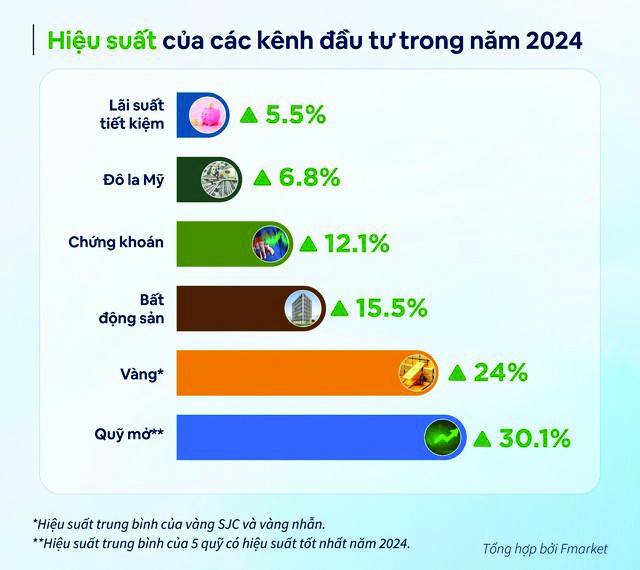
Choosing the right asset class for that stage — knowing when money flows into gold, when it shifts to real estate, stocks, or crypto — is equally critical.
Making the right choices in timing and asset selection decides whether your investing journey is like panning for gold or digging through garbage hoping to find one.
Never tie yourself emotionally to a single market.
If it’s a downtrend, stop throwing money into it just because of livelihood pressure or emotional attachment.
fThe Fed’s interest rate has reached its highest level since 2001 — 5.25%, putting growing pressure on the central bank to start cutting rates.
Meanwhile, the wave of layoffs caused by AI automation shows no sign of slowing, leading to higher unemployment benefits and rising average household spending.
The real estate boom has already cooled off since 2022.
The stock market has been moving sideways around the 1,200 level for three consecutive months.
And notably, the public investment disbursement pressure of over 800 trillion VND will likely devalue the VND as inflation increases.
In short, I chose gold because it’s a low-risk store of value for large capital, and because the economy is entering a chaotic, transitional phase.
Now, let’s dive deeper into those signs of instability in Part 2.
2. The Second Lesson: Technical Analysis Only Accounts for 30%.
The remaining 70% of my market direction comes from observing macroeconomic downtrends,
and I only enter when a confirmation signal appears — one that can’t be reversed.
That’s why I believe:
if you’re day trading, price action alone might be your main input —
but if you’re spot trading and holding through cycles, technical analysis shouldn’t be overcomplicated.
How I Handle Entry, Holding, and DCA with Fundamental Analysis
Macro Analysis:
— Context & Reasons Behind the Fed’s 500 bps Rate Cut
📅 July 8, 2024 – CitiBank Report:
“The U.S. is on the verge of a recession, forcing the Fed to cut rates by 200 bps across eight consecutive meetings.”
🔗 Source – Vietnambiz.vn
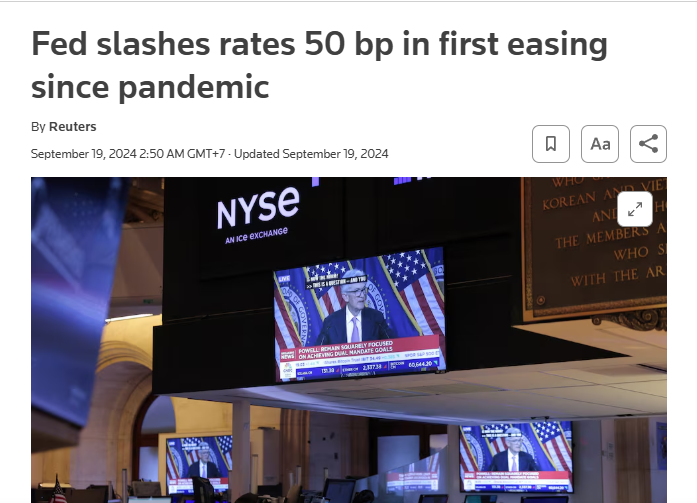
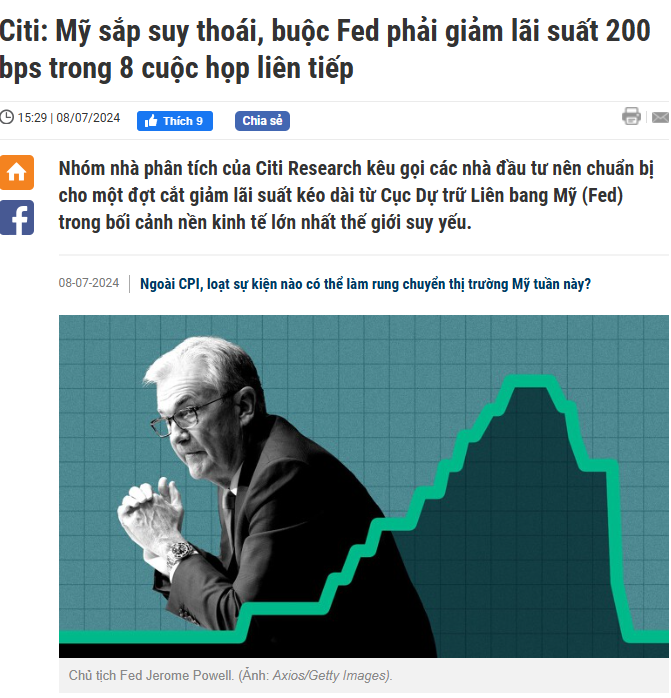
— Fed confirmation (macro):
This rate-cut cycle is, in my view, ~99% confirmed. Historically, there have only been two 500 bps cutting cycles: the 2008 crisis and the COVID pandemic. The latest move reinforces that pattern.
Source: Reuters – “Fed slashes rates 50 bp, first easing since the pandemic” (Sept 18, 2024).
— Technical view:
Price accumulated around 2,600, and I bought the dip after confirming the broader trend.
→ Entry #1 at 2,600 with 70% of capital.
Physical gold was scarce: banks had no supply; SJC/BTMC counters were out of stock. I had to source through alternative channels and accept a much wider spread to get filled.

Based on the price movements and major economic events, it’s clear that every time the ECB and the Fed cut interest rates, gold experiences a strong upward push.
In addition, Trump’s election victory triggered a short-term rebound that created a sideways trading range lasting about 1–2 months.
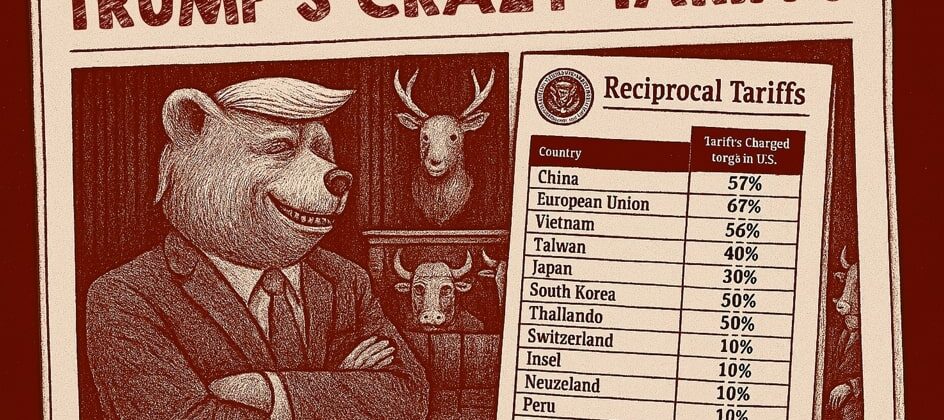
But the most memorable moment was when I DCA’d the remaining 30% of my capital on May 15, right after the U.S. and China agreed to a truce and temporarily capped tariffs at 30%.
At first, I was hesitant — the sudden tariff cuts seemed to avert the worst-case scenario.
However, from a technical standpoint, the price had just touched the trendline and started forming a trading range.
To double-check, I went back and compared the first and second trade wars in detail, and realized that during the G20 truce, they also agreed to a 90-day ceasefire before negotiations resumed.
That discovery gave me the confidence to buy the dip right at that zone.
Take Profit:
If you’ve read my full comparison between the 2018 and 2025 trade wars, you’ll see why my take-profit plan aligns with the point when the following key scenarios start to unfold clearly:
Final tariff figures with major countries are settled.
Ukraine and Russia reach a ceasefire agreement (Zelensky steps down, Trump and Putin negotiate over territory and resources).
The “MAGA – Made in America” production reshoring campaign takes shape — with companies like Coca-Cola, Apple, South Korea, and Japan already moving supply chains back.
The world begins to accept Globalization 2.0 — a restructured, more regionalized model of trade.
However, the main reason I decided to take profit early was simple:
I’d missed a major opportunity before, and this time, I refused to let that happen again.
Closing early wasn’t fear — it was a deliberate action rooted in my third key lesson.
3. A Lesson from the Former Chairman of Berkshire Hathaway
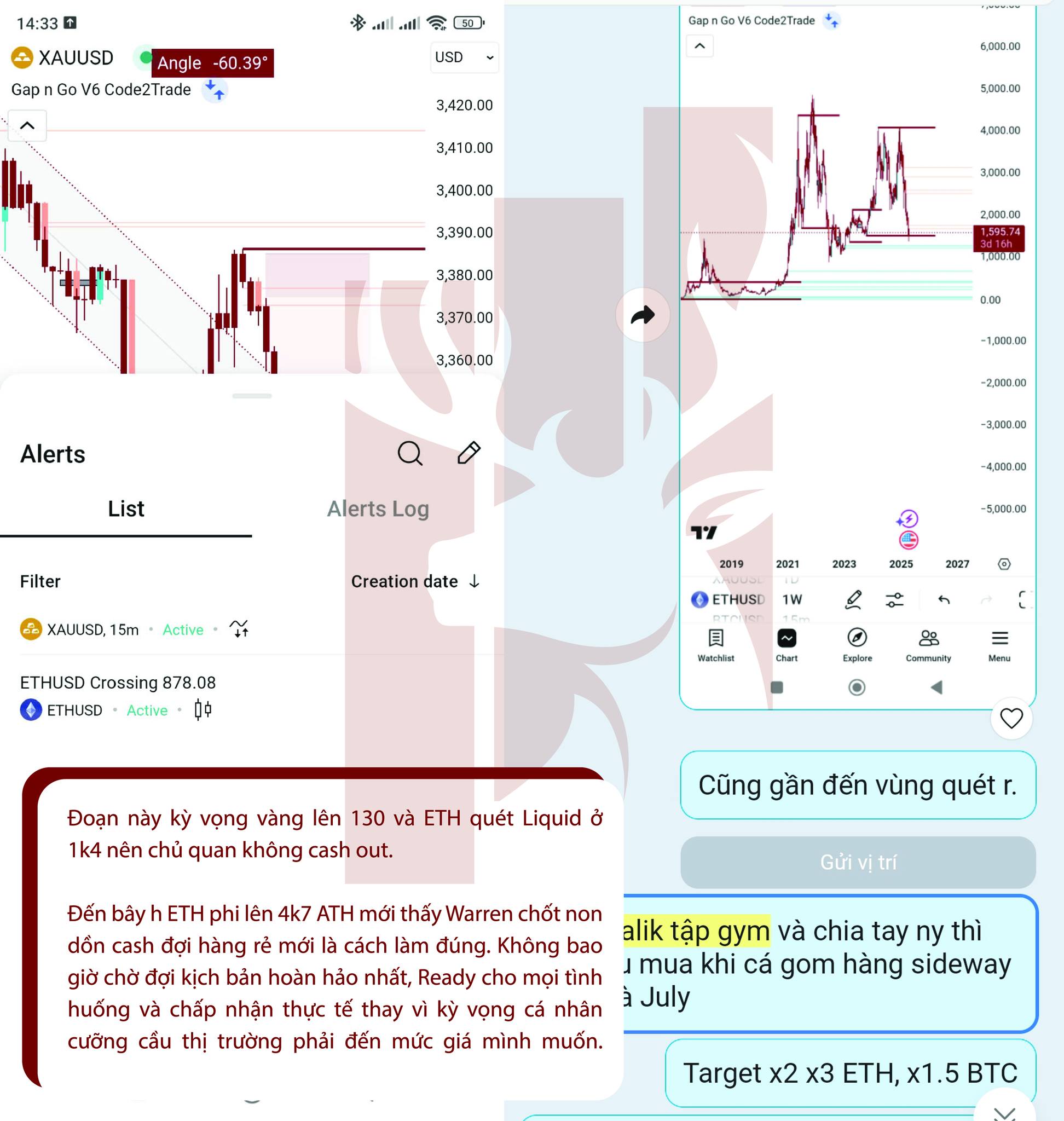
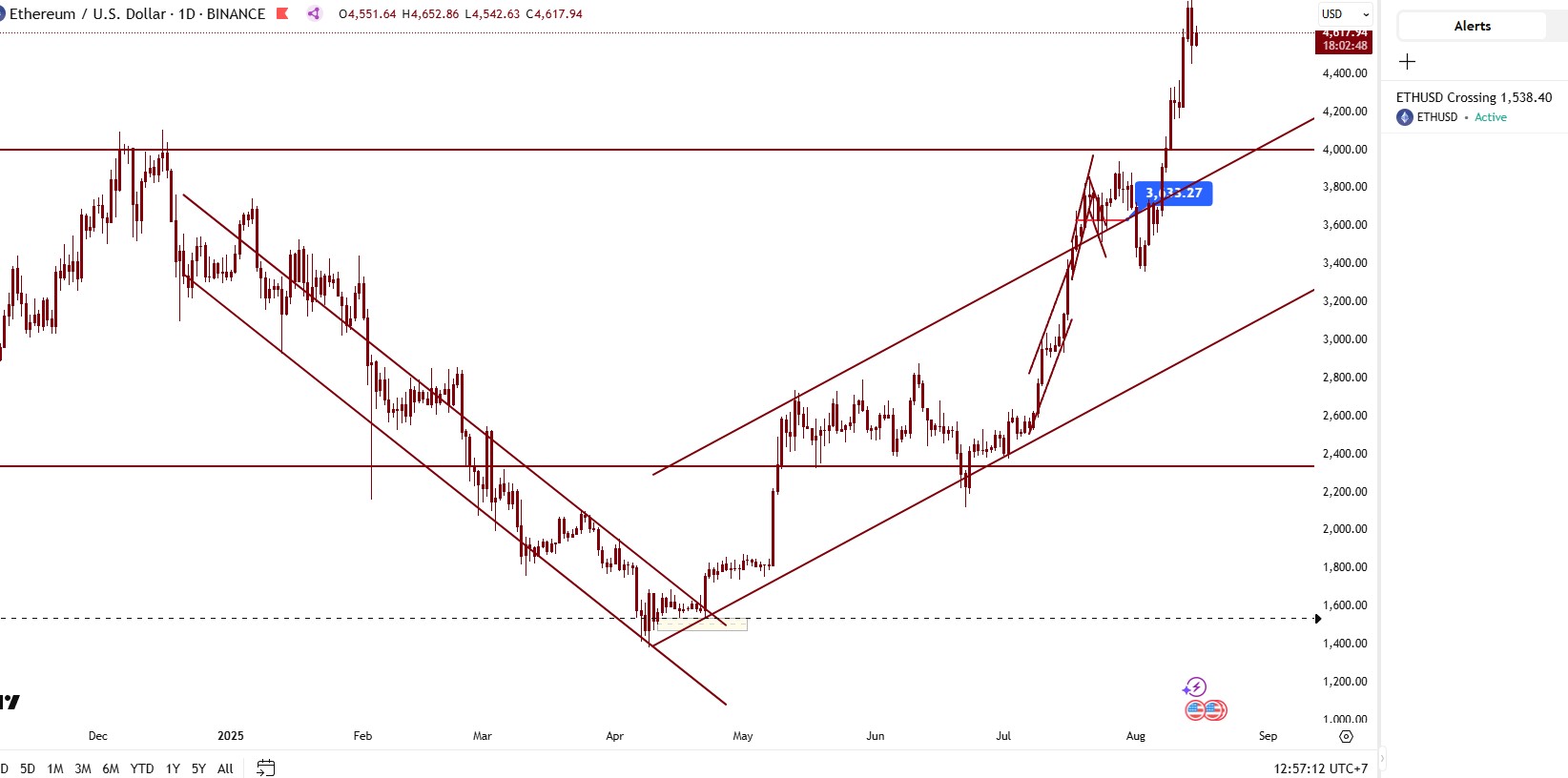
I learned this lesson firsthand after missing the opportunity to buy ETH at 1,400.
At that time, gold had already reached 3,500 USD/oz, giving me a profit of about 125 million VND.
I planned to take profit at 130 million and then wait for ETH to sweep liquidity at 1,400 before buying the dip.
But that perfect scenario never happened — gold dropped back to 117 million, while ETH skyrocketed straight to 2,500 without a single pullback.
Now, back to Warren Buffett’s case.
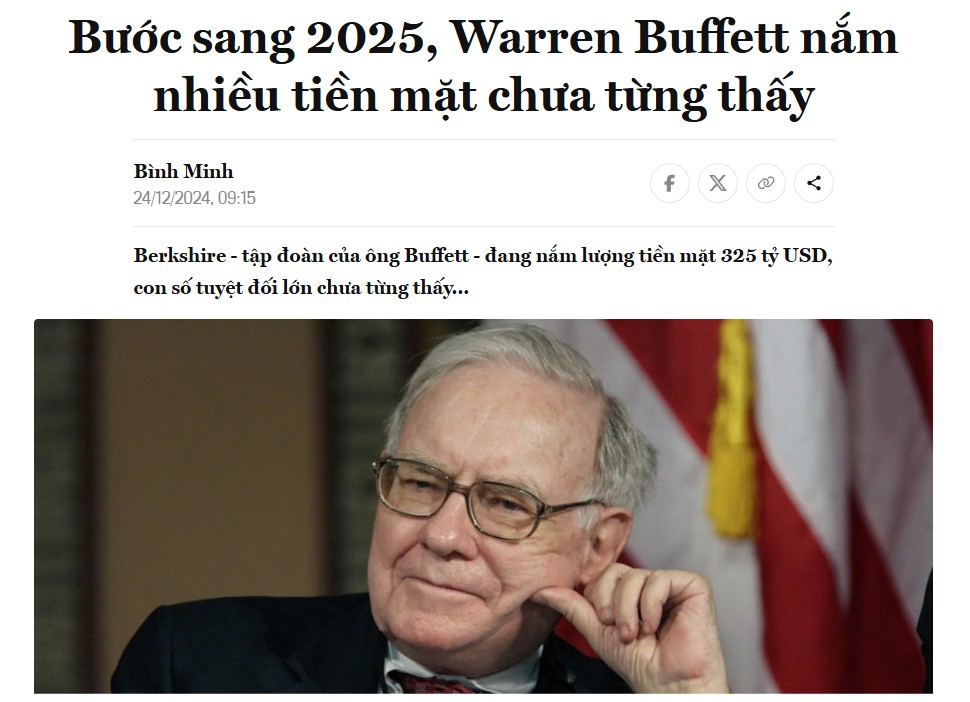
At one point, when Berkshire Hathaway was riding high in profits, Buffett made a controversial decision: he rebalanced the portfolio, converting a significant portion of equities into cash — the largest cash position in Berkshire’s history.
That decision came right before Trump officially took office.
U.S. stocks continued to rally for a few more sessions, glowing green with optimism —
until the AI DeepSeek bubble burst, wiping out 1 trillion USD in market value, followed by the escalation of Trump’s Trade War 2.0.
In hindsight, Buffett’s move wasn’t about fear —
it was about discipline and prudence, the same patience that turns missed opportunities into survived crises.
From this, I realized one crucial truth: you can’t wait for the perfect scenario — or the worst one — to take action.
When you invest based on economic cycles, you must always be prepared with multiple scenarios and act accordingly.
Sometimes, taking profit early isn’t a mistake — it’s building cash reserves so you’re ready to go shopping when the market corrects and assets return to undervalued levels.